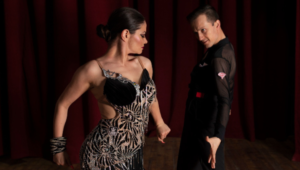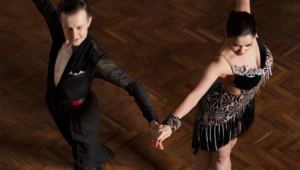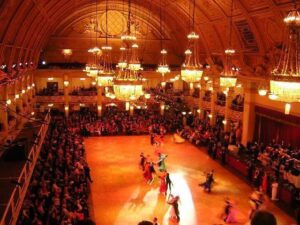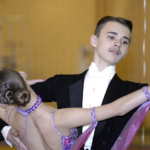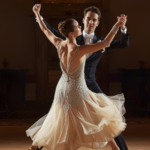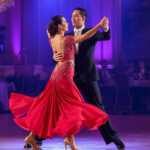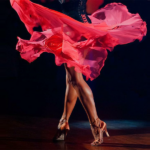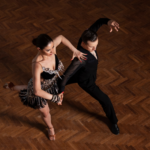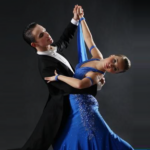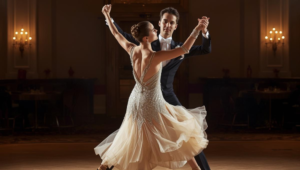
Ballroom dancing is the perfect blend of elegance, rhythm, and connection. Whether you’re a beginner stepping onto the dance floor for the first time or a professional polishing your technique, understanding different ballroom dance names and their styles is essential. Each dance has its own rhythm, mood, and story — making ballroom a world of endless expression.
Let’s dive into a complete guide to the most beloved ballroom dance styles, from the graceful Waltz to the lively Quickstep.
1. The Waltz – Grace and Flow
One of the oldest and most iconic ballroom dance names, the Waltz is known for its smooth, gliding movements and elegant rise and fall. Originating in Vienna in the 18th century, it’s danced 3/4 time, giving it a romantic, flowing rhythm.
Key Features:
• Soft, sweeping movements
• Graceful turns and rotations
• Elegant posture and frame
Mood: Romantic, dreamy, and timeless
2. The Tango – Passion and Power
The Tango is a dance of intensity and emotion. Born in Buenos Aires, it’s characterized by sharp movements, dramatic pauses, and close connections between partners.
Key Features:
• Staccato footwork
• Sudden stops and poses
• Strong, passionate expressions
Mood: Dramatic and fiery
3. The Foxtrot – Smooth and Sophisticated
If ballroom dances had personalities, the Foxtrot would be the classy charmer. It combines long, continuous movements with an easygoing rhythm that exudes sophistication.
Key Features:
• Smooth glides and slow-quick-quick rhythm
• Flowing motion across the floor
• Great emphasis on control and timing
Mood: Elegant, suave, and romantic
4. The Viennese Waltz – Speed and Spin
Faster and more exhilarating than the traditional Waltz, the Viennese Waltz is all about speed, precision, and endurance. Dancers rotate swiftly around the floor in continuous turns that create a breathtaking visual effect.
Key Features:
• Rapid spinning turns
• Light rise and fall
• Controlled movement despite the pace
Mood: Lively and regal
5. The Quickstep – Energy and Fun
As one of the most energetic ballroom dance names, the Quickstep is full of joy and vitality. It evolved from the Foxtrot and Charleston, featuring fast footwork, hops, skips, and spins that showcase both skill and personality.
Key Features:
• Fast tempo and syncopated rhythms
• Light, bouncy steps
• Playful energy and charm
Mood: Joyful and dynamic
6. The Cha-Cha – Rhythm and Playfulness
Originating in Cuba, the Cha-Cha is one of the most popular Latin dances in ballroom competitions. Its flirty, rhythmic nature makes it both fun and technically challenging.
Key Features:
• Distinctive “cha-cha-cha” triple step
• Hip movements and body rhythm
• Expressive, confident energy
Mood: Playful and cheeky
7. The Rumba – Romance and Expression
Known as the “dance of love,” the Rumba emphasizes slow, sensual movements and deep emotional connection. Every motion tells a story through the subtle sway of the hips and expressive gestures.
Key Features:
• Slow tempo and controlled movements
• Romantic storytelling
• Strong emphasis on hip action
Mood: Emotional and intimate
8. The Samba – Joy and Carnival Spirit
The Samba brings the vibrant energy of Brazil’s festivals to the ballroom. With its rhythmic bounce and quick footwork, it captures the spirit of celebration and movement.
Key Features:
• Rhythmic bounce action
• Rolling hip movements
• Fast, joyful tempo
Mood: Festive and energetic
9. The Paso Doble – Strength and Drama
Inspired by the Spanish bullfight, the Paso Doble is bold and theatrical. The leader often represents the matador, while the partner embodies the flowing cape — together creating a powerful stage presence.
Key Features:
• Sharp, marching steps
• Dramatic poses
• Strong, commanding energy
Mood: Powerful and theatrical
10. The Jive – Fun and Lively
The Jive is a fast, upbeat dance that combines swing and rock ‘n’ roll influences. It’s all about rhythm, kicks, and boundless energy, making it a crowd favorite.
Key Features:
• Fast kicks and flicks
• Energetic rhythm
• Bouncy, light movement
Mood: Joyful and playful
Final Thoughts
From the sweeping elegance of the Waltz to the fiery intensity of the Tango, the world of ballroom dancing is full of rhythm and emotion. Learning the unique ballroom dance names and their styles helps dancers understand how each movement tells its own story — one step, spin, and glide at a time.
Whether you’re dancing for competition, connection, or pure joy, every ballroom style offers something magical to discover.